
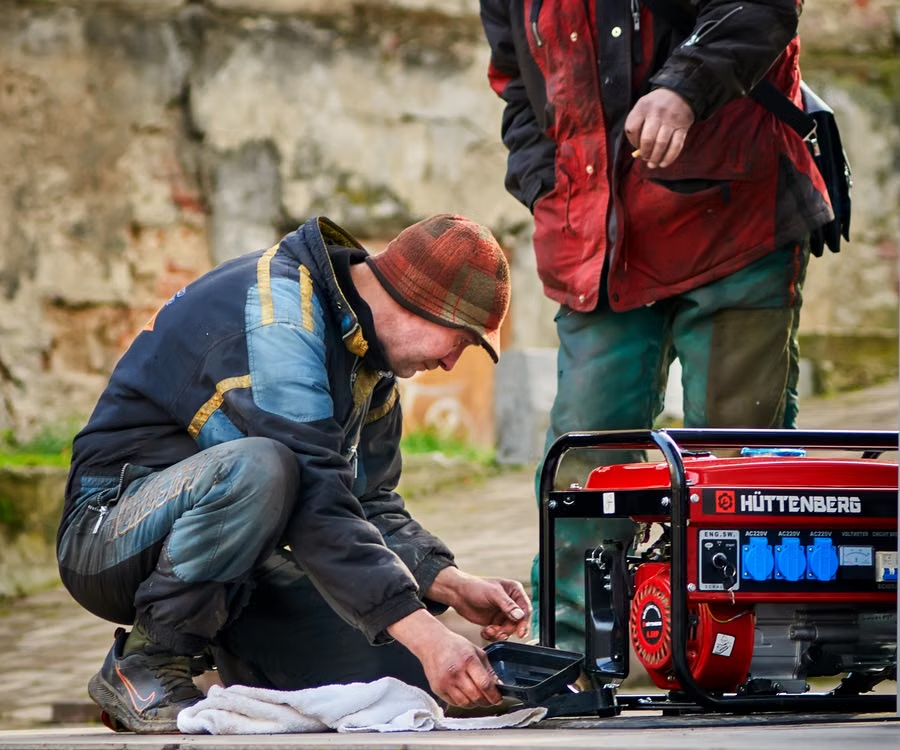
Fall windstorms can bring strong gusts, falling branches, and damaged power lines, leaving homes without electricity for hours. If your property relies on a backup generator, checking its condition before storm season can help reduce the risk of unexpected problems during an outage.
A standby generator is designed to supply backup power when utility electricity fails. However, it must be properly maintained and tested to operate when needed. A few essential checks can help identify developing issues before severe weather puts your backup system to the test.
Check Whether Your Generator Starts Automatically
A standby generator should typically start automatically when its transfer switch detects a loss of utility power. If the system fails to recognize an outage or start its engine, your home may remain without backup electricity.
Begin by reviewing the manufacturer’s maintenance schedule and checking whether the generator’s status indicators show any warnings or fault codes. Many units include a self-test feature that exercises the engine at scheduled intervals. Confirm that the exercise cycle is functioning as intended, and review any alerts displayed by the control panel.
If the generator fails a self-test, starts inconsistently, or displays a persistent warning, arrange a professional inspection. Avoid assuming that a successful brief test means every component will perform correctly during an extended outage.
Inspect the Battery, Fuel Supply, and Engine
Starting problems can result from a weak battery, fuel supply issues, or neglected engine maintenance. Depending on the generator model, routine servicing may include checking battery condition, inspecting fuel lines, changing engine oil, and replacing filters at the recommended intervals.
Fuel requirements vary by generator type. Natural gas and propane units need their fuel supply and connections inspected, while diesel-powered systems require appropriate fuel-quality checks and maintenance. Follow the manufacturer’s instructions for your specific equipment.
Also inspect the area around the generator for debris, overgrown vegetation, or anything obstructing ventilation. Never block air intakes or exhaust outlets, and keep combustible materials away from the unit. Generator exhaust contains carbon monoxide, so the equipment must remain outdoors in a location that meets the manufacturer’s clearance and installation requirements.
Verify the Transfer Switch and Electrical Connections
A working engine is only one part of a reliable standby power system. The automatic transfer switch must also operate correctly to transfer the home’s electrical supply between utility power and generator power.
Faulty connections, damaged wiring, or transfer-switch problems can prevent electricity from reaching the intended circuits. A qualified electrician can inspect these components, assess the system’s operation, and identify electrical issues that may otherwise go unnoticed.
If your household has added major appliances, heating equipment, or other electrical loads since installation, it may also be worth reviewing whether the generator can support your current backup power requirements.
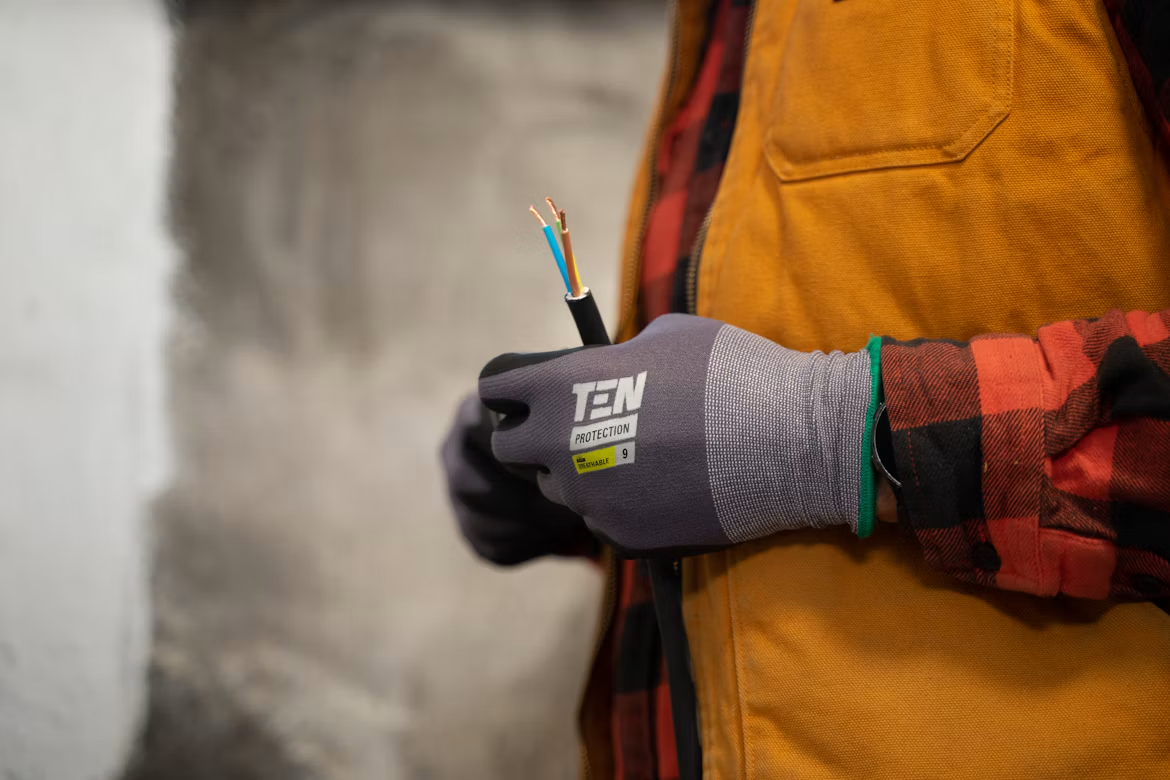
When severe weather threatens your home’s electricity supply, a dependable standby generator system matters. At Legendary Electric, we help homeowners prepare their electrical systems for unexpected outages with professional backup generator installation and maintenance-related electrical services. Our licensed team can assess your existing setup, investigate electrical issues, and provide electrical troubleshooting when your generator system does not perform as expected. If you need a whole-house generator installation in Forney or Sunnyvale, TX, we can discuss your property’s power requirements and suitable options.
We also provide emergency electrician services 24/7, 365 days a year. Contact us now.

0 Comments